
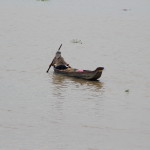
 If traveling Ecuador, add Guayaquil to the must see list. A tasteful composite of modern meets colonial and major port city in Ecuador, Guayaquil is worth visiting. While Guayaquil is a fairly large city with modern areas, malls, housing developments and the like, it also has a grasp on its colonial roots. Along the river is the district referred to as Malecón 2000. Like much of Ecuador, it seems that the main street in town to harbor tourists walking about is named after Simon Bolivar.
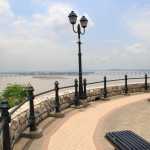
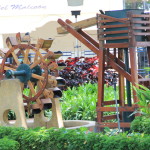
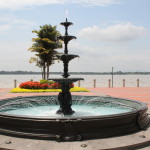
Malecón refers to the boardwalk that runs along the river side of Simon Bolivar. A wide, colorful walkway 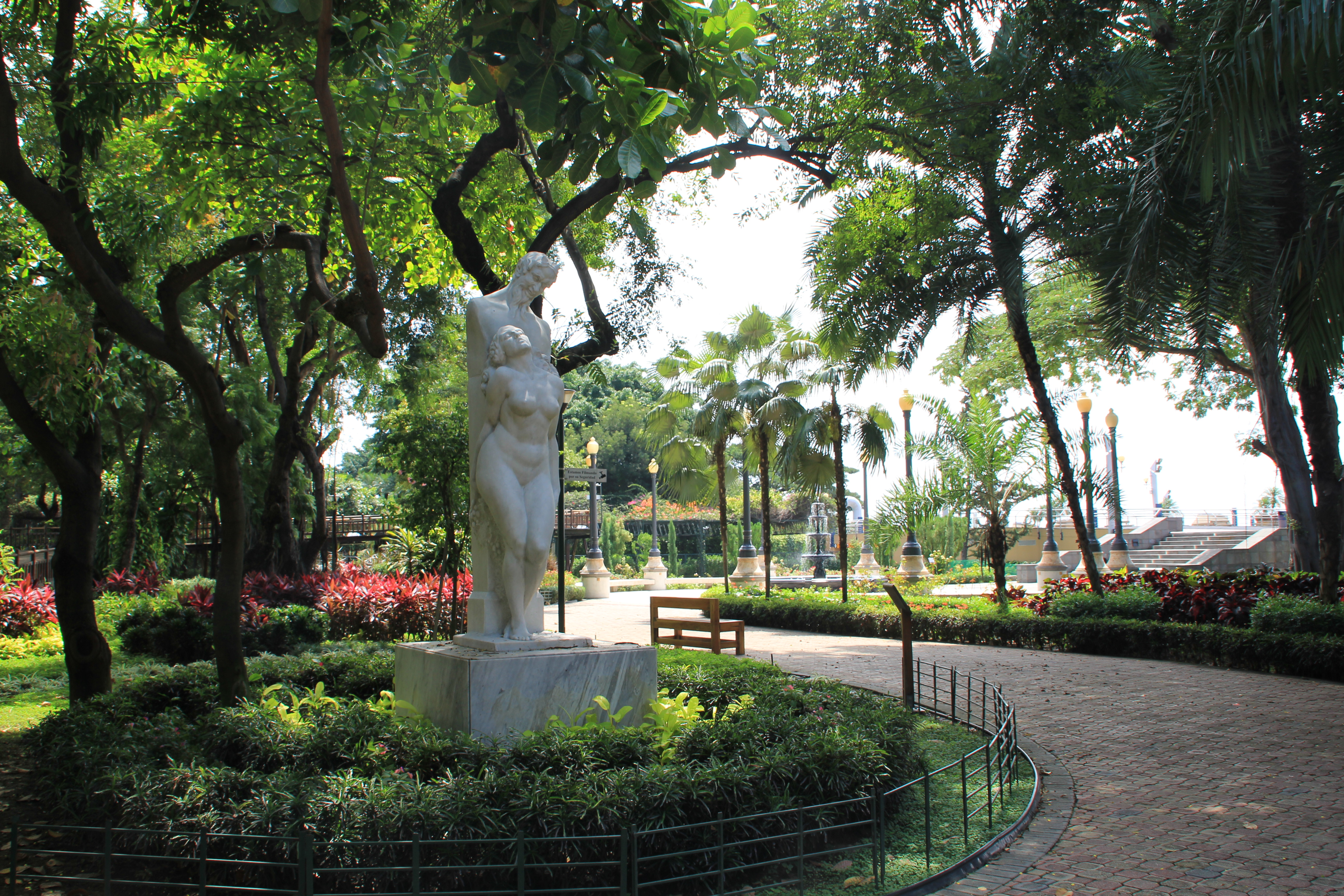 with a few shops and cafés, sparsely dotted with street vendors, monuments and art, the boardwalk spans a fair distance north / south with the river to one side, and city to the other. Along the way there are is a little park, lushly landscaped with an interesting statue, water fountain, benches to sit and take a break from the heat or enjoy the evening breeze, and accent lighting for the evening hours. Malecón is clean, well maintained, with a relaxed atmosphere. At the north end of the boardwalk past the parking garage lies Las Peñas and Cerro Santa Ana – the lookout located 444 steps above the riverwalk.
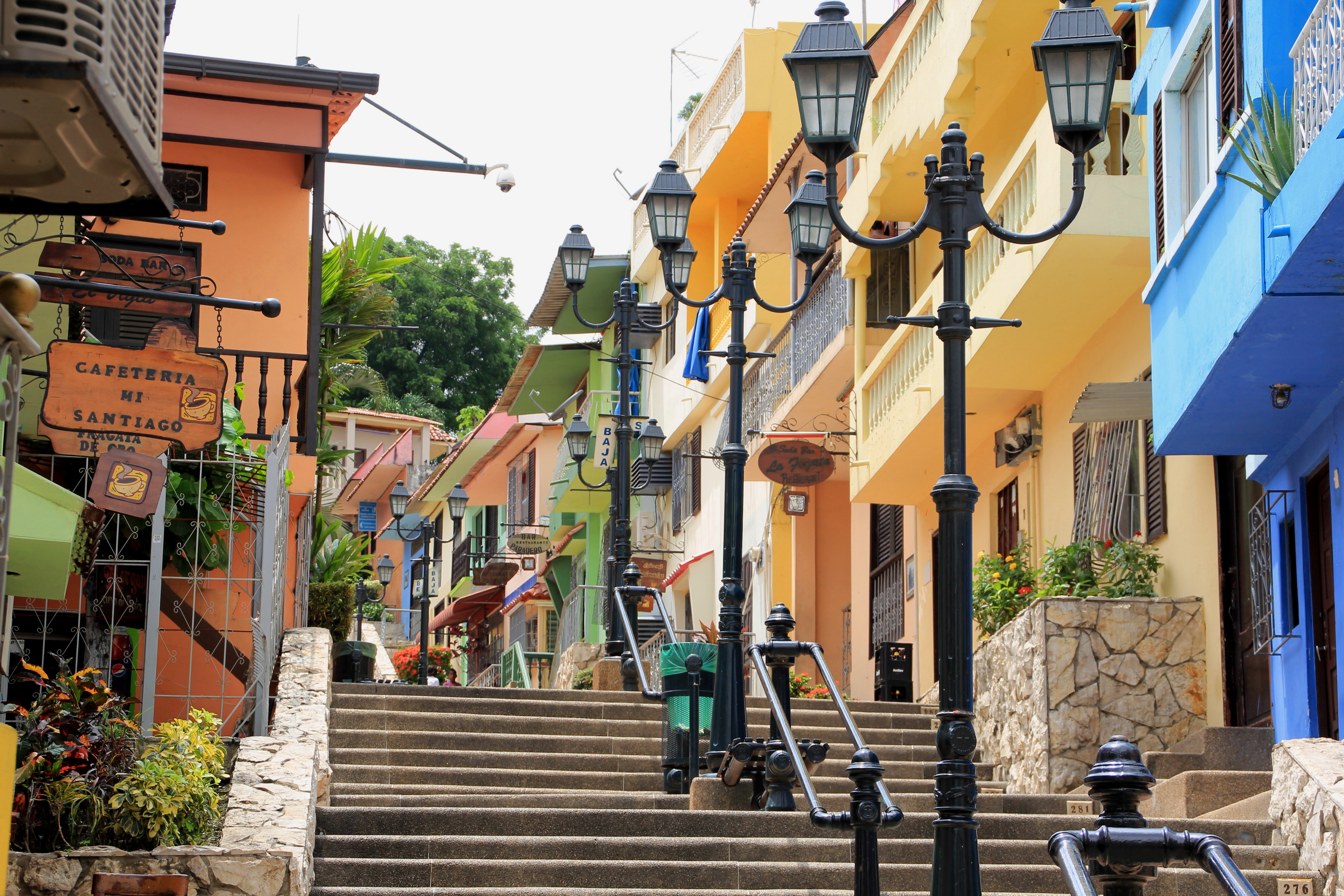
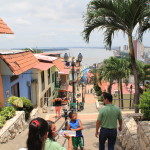
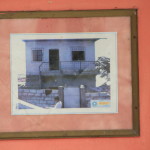
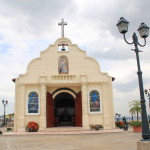
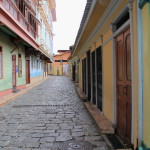
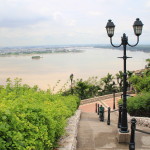
Las Peñas is a colorfully revived colonial section of Guayaquil that has to rate at or near the the list of Top Things to Do in Guayaquil. Our wonderful hosts and tour guides for the day from Children International explained that as Guayaquil continued to progress and develop, the mayor recognized the importance of a historic district preserving the traditional colonial architecture. Las Peñas covers a hillside with views of the 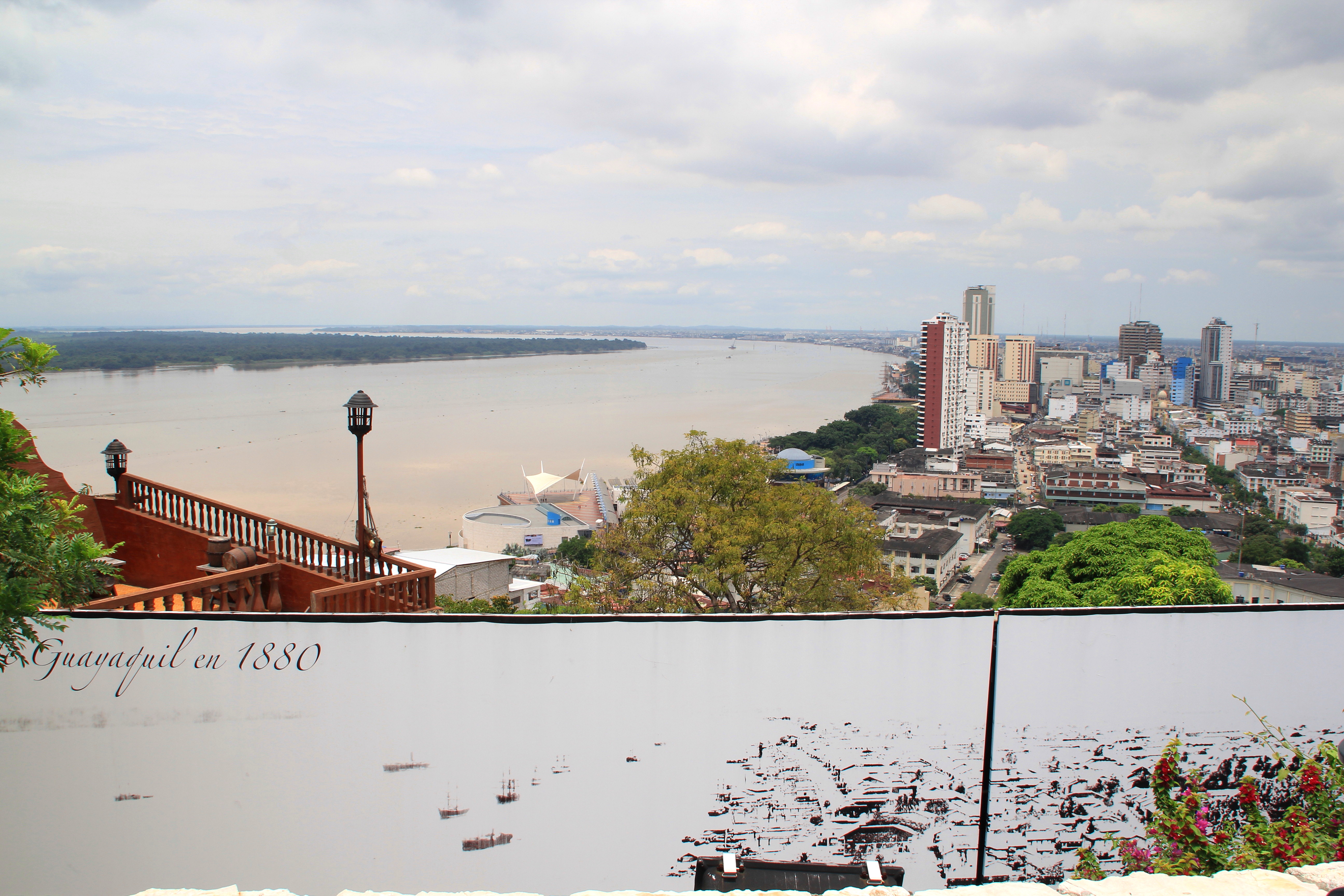 river and city, and a 360 degree view from it’s peak, Cerro Santa Ana. The area has been renovated and on the side of each building hangs a “before” picture, depicting the sharp contrast from what it was to what it has become today. Atop Las Peñas, known as Cerro Santa Ana, sits a small church and a lighthouse, and provides 360 degree view of Guayaquil. To the south just below the wall is a large billboard set just low enough to provide a simultaneous split level view of Guayaquil in 1880, while looking over it to Guayaquil today.
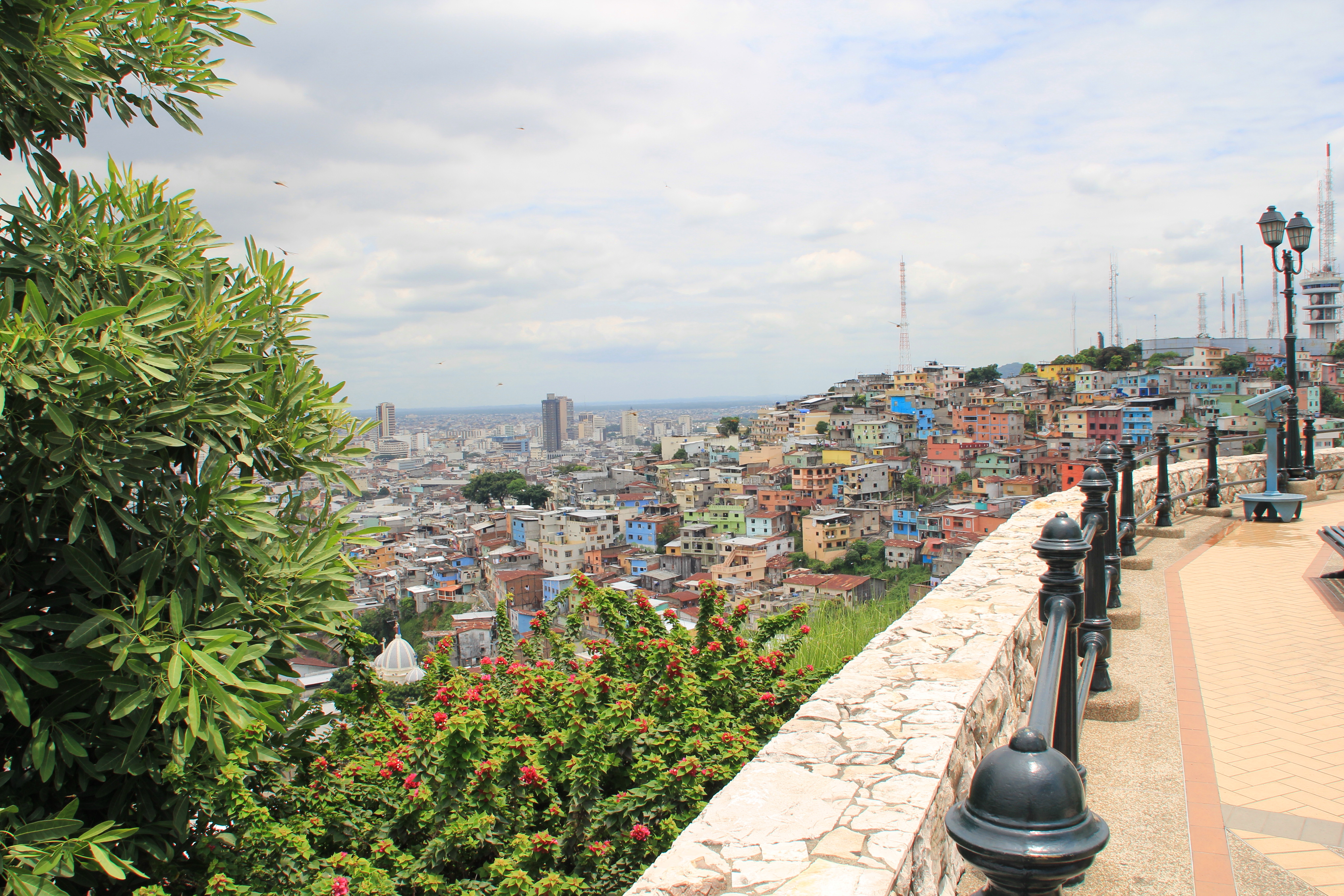 The weather is warm and humid, so come prepared. With our friends from Children International we made the climb and walked the area in the morning, then ventured off to see more of Guayaquil, including the zoo. Later in the evening we walked back to La Peñas by ourselves in search of the best empanada de queso before dinner. Eleven empanadas de queso later (about 25 cents ea.) from various hosts, dinner became a forgotten agenda.
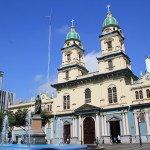
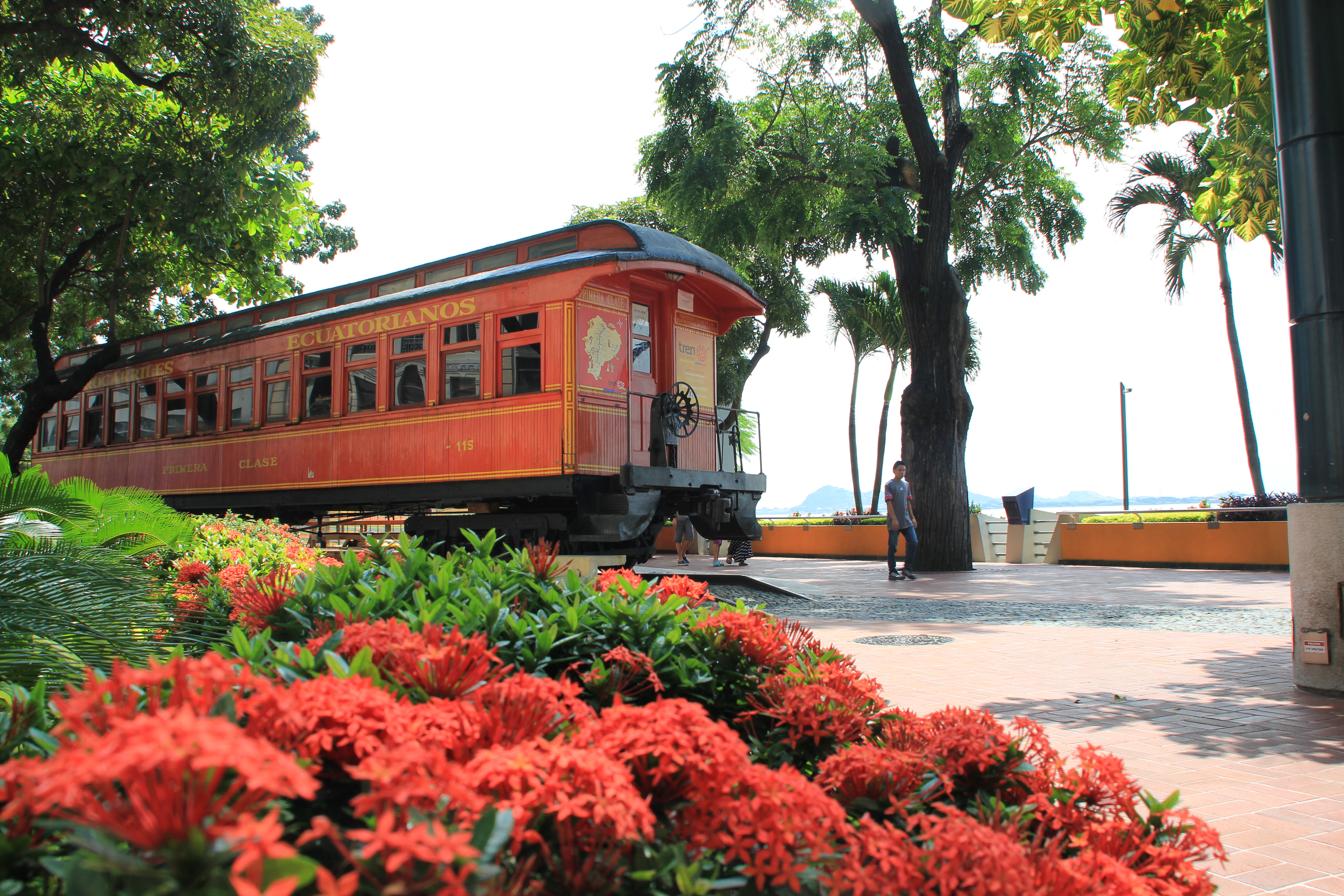 We stayed at El Manso Boutique on Simon Bolivar, with a view of the river and boardwalk. Walking west away from the river, it is only a few short blocks to plazas, parks, historic monuments and churches where you will find bakeries, fresh fruit juices, banks and stores of all types. Prices are reasonable in Guayaquil for the most part, not yet catered to foreign tourists. North American fast food chains, like in the mall foodcourt, are priced comparable to what they are in the US, however the local establishments (our preference anyway) are much less. Bring you camera, water and sunscreen, stay in the Malecón 2000 district for $15-$35 night, enjoy empanadas for 25 cents, dinner for $3.50-$5, and tour Guayaquil.

We’re honored that Wildland Adventures has chosen one of our photos for use on their blog and newsletter. Check it out:
BLOG: http://ww2.wildland.com/travel-blog/why-your-should-explore-guayaquil-on-next-your-trip-to-the-galapagos.html
Newsletter: http://eepurl.com/YDvEr